


Fall Trail Safety for Hartford County Dogs: Acorns, Ticks, and Cooler Weather Tips
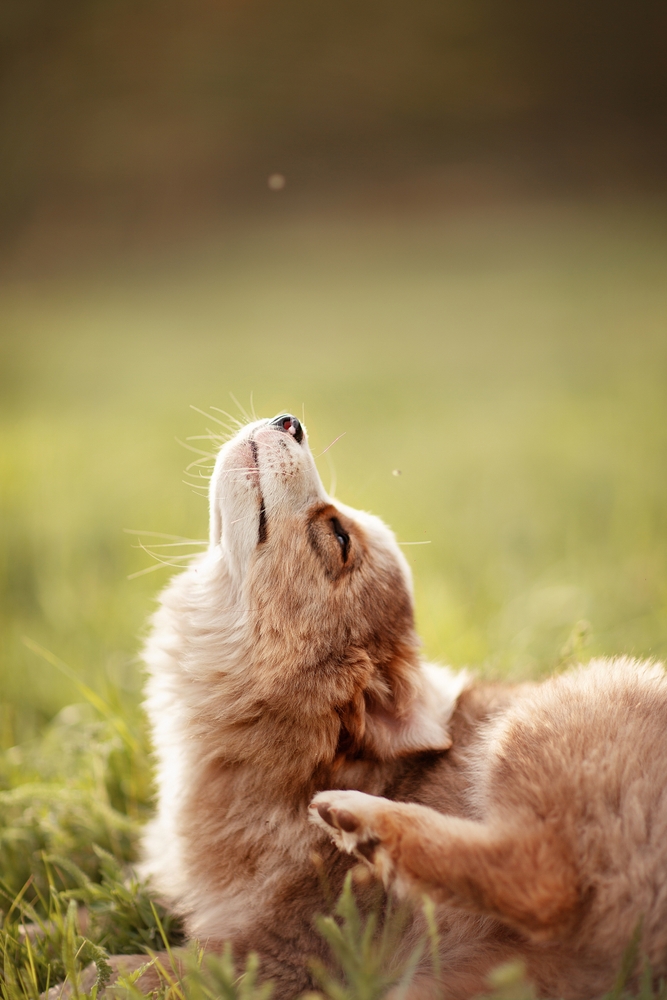
Fall is a great time to explore the trails around Hartford County with your dog. Cooler temperatures, colorful leaves, and comfortable walking weather make outdoor adventures especially appealing. However, autumn also brings seasonal hazards that pet owners should keep in mind. From fallen acorns to persistent ticks, a little preparation can help keep your dog safer on fall walks and hikes.
Keep Your Dog Away From Acorns
Acorns are common on wooded trails and beneath oak trees throughout Connecticut. Curious dogs may sniff, chew, or swallow them while exploring. Acorns contain tannins that can cause gastrointestinal problems in dogs. They can also create a choking hazard or intestinal blockage, particularly if a dog swallows one whole. If your dog tends to pick things up during walks, keeping them on a shorter leash around areas covered with acorns can make supervision easier.
Contact our veterinarian if you know or suspect your dog has eaten acorns, especially if they develop vomiting, diarrhea, abdominal discomfort, loss of appetite, or unusual lethargy.
Do Not Let Cooler Weather Fool You About Ticks
Ticks do not disappear as soon as summer ends. Blacklegged ticks, which can transmit Lyme disease and other illnesses, can remain active during the fall and may even search for hosts during mild winter weather.
After spending time on wooded or grassy trails in Hartford County, check your dog carefully for ticks. Pay particular attention to:
- In and around the ears
- Around the eyelids and face
- Under the collar
- Beneath the front legs
- Between the toes
- Between the back legs
- Around the tail
We also recommend keeping your dog on veterinarian-approved tick prevention throughout the year rather than stopping treatment when temperatures begin to drop.
Prepare for Cooler Trail Conditions
Cool autumn weather may feel refreshing, but dogs can still become tired, dehydrated, or uncomfortable during longer outings. Always bring fresh water, even when it does not feel warm outside.
As temperatures continue falling, consider your dog's age, breed, coat, health, and activity level before heading out for an extended hike. Puppies, senior dogs, small breeds, and dogs with certain medical conditions may be more sensitive to colder temperatures. Wet leaves, mud, sticks, and uneven ground can also make trails slippery. Keep your dog under control and choose a route that matches their physical condition.
Check Your Dog After Every Fall Adventure
A quick post-walk inspection can help you catch problems early. Check your dog's paws for cuts, debris, or irritation, look through their coat for ticks, and watch for limping or unusual behavior after returning home. If your dog seems ill or injured following a trail outing, do not ignore sudden changes. Prompt veterinary attention can help determine whether an outdoor hazard, injury, toxin, or tick exposure may be responsible.
For preventive care or concerns following a fall outdoor adventure, contact Connecticut Veterinary Center to schedule veterinary care. Visit our office in West Hartford, Kensington, or Windsor, Connecticut. Call (860) 233-8564, (860) 229-8960, or (860) 688-2026 to book an appointment today.


Our Locations

Contact Info
(860) 233-3206
- Monday: 8:00am - 8:30pm
- Tuesday: 8:00am - 6:00pm
- Wednesday: 8:00am - 6:00pm
- Thursday: 8:00am - 6:00pm
- Friday: 8:00am - 6:00pm
- Saturday: 8:00am - 6:00pm
- Sunday: 8:00am - 6:00pm
Follow Us
Contact Info
(860) 229-0826
- Monday: 7:00am - 6:00pm
- Tuesday: 7:00am - 2:00pm
- Wednesday: 7:00am - 6:00pm
- Thursday: 7:00am - 6:00pm
- Friday: Closed
- Saturday: Closed
- Sunday: Closed
Follow Us
Contact Info
(860) 688-8714
- Monday: 7:00am - 6:00pm
- Tuesday: 7:45am - 6:00pm
- Wednesday: 10:00am - 6:00pm
- Thursday: 7:00am - 6:00pm
- Friday: Closed
- Saturday: Closed
- Sunday: Closed
Follow Us
© 2026 Connecticut Veterinary Center . All Rights Reserved. Accessibility Statement - Privacy Policy - Sitemap
