


The Role of Diagnostic Testing in Preventive Pet Health
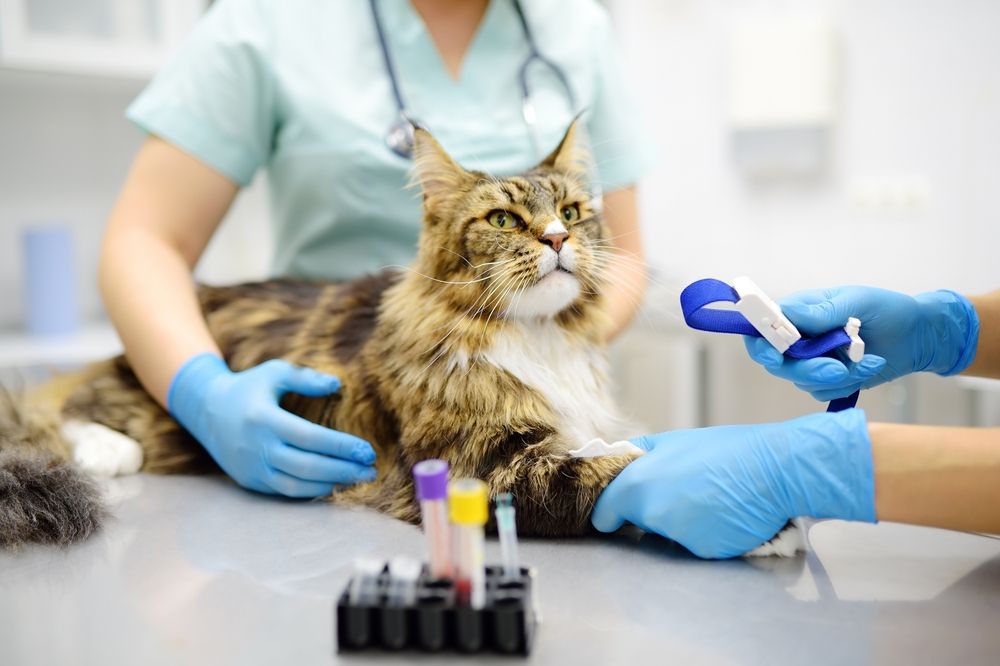
Preventive care is the foundation of a long, healthy life for pets. While regular wellness exams, vaccinations, and parasite prevention are essential, diagnostic testing plays a critical role in identifying health concerns before they become serious problems. From routine bloodwork to advanced imaging, diagnostic tools give veterinarians a clearer picture of your pet’s internal health and help guide proactive, personalized care.
What Is Diagnostic Testing in Veterinary Medicine?
Diagnostic testing includes a range of laboratory and imaging evaluations that assess how a pet’s body is functioning beneath the surface. Common diagnostic tests include blood panels, urinalysis, fecal testing, X-rays, ultrasounds, and screenings for infectious diseases. These tests provide objective data that complements the physical exam, allowing veterinarians to detect subtle changes that may not yet show outward symptoms.
Why Diagnostic Testing Matters for Preventive Care
Pets are experts at hiding discomfort and illness. By the time clinical signs appear, a condition may already be advanced. Diagnostic testing helps identify early warning signs so intervention can begin sooner, often resulting in better outcomes and lower long-term costs.
Key benefits of preventive diagnostic testing include:
- Early disease detection: Conditions such as kidney disease, diabetes, thyroid disorders, and liver issues can often be identified long before symptoms arise.
- Baseline health tracking: Establishing normal values for your pet makes it easier to detect changes over time.
- Targeted care plans: Test results help veterinarians tailor nutrition, medication, and lifestyle recommendations to your pet’s specific needs.
- Peace of mind: Knowing your pet’s internal health status provides reassurance that they’re truly doing well.
Common Preventive Diagnostic Tests
- Bloodwork: Routine blood panels evaluate organ function, hydration status, blood cell counts, and metabolic health. Annual bloodwork is especially important for senior pets, as age-related conditions can develop gradually and silently.
- Urinalysis: Urinalysis offers insight into kidney function, urinary tract health, hydration, and metabolic disorders. When paired with bloodwork, it provides a more complete picture of overall health.
- Fecal Testing: Regular fecal exams help detect intestinal parasites that may not cause obvious symptoms but can affect your pet’s health and pose risks to other animals and people.
- Diagnostic Imaging: X-rays and ultrasounds can reveal changes in organs, bones, and soft tissues that aren’t detectable through physical exams alone. Imaging is often used proactively for pets with breed-related risks or chronic conditions.
- Age- and Lifestyle-Based Screenings: Puppies, kittens, adult pets, seniors, and pets with specific lifestyles or risk factors benefit from customized testing schedules. Diagnostic recommendations may vary based on age, breed, environment, and medical history.
How Often Should Pets Have Diagnostic Testing?
The frequency of diagnostic testing depends on your pet’s age, health status, and risk factors. Many veterinarians recommend annual baseline testing for healthy adult pets and more frequent monitoring for senior pets or those with chronic conditions. Our veterinarian can help determine the most appropriate testing plan during your pet’s wellness visit.
Stay Ahead of Health Issues with Connecticut Veterinary Center
Diagnostic testing is a powerful tool in preventive pet health, offering insight that goes far beyond what can be seen during a physical exam. By identifying potential concerns early, tracking health trends over time, and guiding personalized care, diagnostic testing helps pets live longer, healthier, and more comfortable lives.
Schedule a wellness exam with Connecticut Veterinary Center to discuss preventive diagnostic testing and create a proactive care plan tailored to your pet’s needs. Visit our office in West Hartford, Kensington, or Windsor, Connecticut. Call (860) 233-8564, (860) 229-8960, or (860) 688-2026 to book an appointment today.


Our Locations

Contact Info
(860) 233-3206
- Monday: 8:00am - 8:30pm
- Tuesday: 8:00am - 6:00pm
- Wednesday: 8:00am - 6:00pm
- Thursday: 8:00am - 6:00pm
- Friday: 8:00am - 6:00pm
- Saturday: 8:00am - 6:00pm
- Sunday: Closed
Follow Us
Contact Info
(860) 229-0826
- Monday: 7:00am - 6:00pm
- Tuesday: 7:00am - 2:00pm
- Wednesday: 7:00am - 6:00pm
- Thursday: 7:00am - 6:00pm
- Friday: 7:00am - 6:00pm
- Saturday: Closed
- Sunday: Closed
Follow Us
Contact Info
(860) 688-8714
- Monday: 7:00am - 6:00pm
- Tuesday: 7:45am - 6:00pm
- Wednesday: 10:00am - 6:00pm
- Thursday: 7:00am - 6:00pm
- Friday: Closed
- Saturday: Closed
- Sunday: Closed
Follow Us
© 2026 Connecticut Veterinary Center . All Rights Reserved. Accessibility Statement - Privacy Policy - Sitemap
