


What Counts as a Veterinary Emergency - And How to Respond
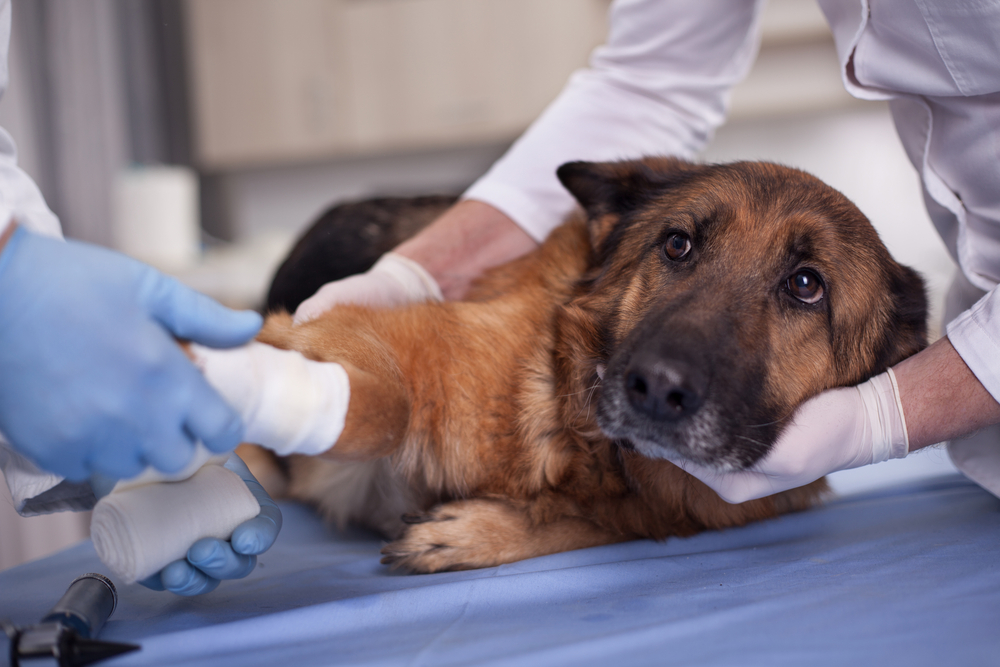
As a pet owner, it can be difficult to know when a health concern requires immediate medical attention and when it can wait for a scheduled appointment. A veterinary emergency involves any sudden illness, injury, or behavioral change that could threaten your pet’s life, cause severe pain, or result in permanent damage if not treated promptly. In urgent situations, time is critical. When in doubt, it is always safest to call your veterinarian for guidance.
Difficulty Breathing
Breathing problems are always considered emergencies. Labored breathing, excessive panting, choking sounds, blue or pale gums, or open-mouth breathing require immediate care. Respiratory distress can escalate quickly and become life-threatening within minutes.
Trauma and Severe Bleeding
Heavy bleeding, deep wounds, falls, car accidents, or animal attacks warrant urgent evaluation. Even if your pet appears stable, internal injuries may not be immediately visible. Prompt assessment ensures hidden complications are addressed before they worsen.
Seizures and Collapse
A single brief seizure may not always be life-threatening, but repeated seizures, seizures lasting more than a few minutes, or multiple seizures close together require emergency care. Similarly, sudden weakness, collapse, fainting, or loss of consciousness should never be ignored.
Ingestion of Toxins
Pets often explore with their mouths, which can lead to accidental poisoning. Chocolate, xylitol, human medications, household cleaners, toxic plants, and rodenticides are common dangers. If you suspect your pet has ingested something harmful, seek immediate veterinary advice. Do not induce vomiting unless specifically instructed by a professional.
Persistent Vomiting or Diarrhea
Occasional stomach upset may not be serious, but repeated vomiting or diarrhea - especially when accompanied by lethargy, blood, abdominal pain, or refusal to eat - can quickly lead to dehydration and other complications. Ongoing gastrointestinal symptoms should be evaluated promptly.
Difficulty Urinating
Straining to urinate, crying during urination, producing little to no urine, or frequent attempts without success is an emergency, particularly for male cats. Urinary blockages can become life-threatening within hours and require immediate intervention.
Bloated or Distended Abdomen
A swollen abdomen, restlessness, repeated unsuccessful attempts to vomit, and visible discomfort may indicate bloat (gastric dilatation-volvulus). This condition progresses rapidly and typically requires emergency surgery.
Heatstroke and Severe Pain
Heatstroke can develop quickly in warm weather and presents with excessive panting, drooling, vomiting, weakness, or collapse. Additionally, sudden or intense pain - shown through whining, hiding, limping, aggression, or reluctance to move - should always be taken seriously.
How to Respond in an Emergency
If you believe your pet is experiencing an emergency, remain calm and call ahead to alert our veterinary team. Transport your pet safely using a carrier or a makeshift stretcher if needed, and keep them as still and comfortable as possible. Avoid delaying care to see if symptoms improve, as this can reduce the chances of a positive outcome.
When to Call for Advice
If symptoms appear mild but you are unsure whether they require immediate care, call your veterinary office. A professional can help you determine whether the situation is urgent or if it can be scheduled for a prompt appointment.
Partner with Connecticut Veterinary Center for Trusted Emergency Pet Care
Veterinary emergencies can occur without warning, and recognizing the signs can make all the difference. Difficulty breathing, trauma, toxin ingestion, urinary blockage, seizures, severe pain, and heatstroke all demand immediate attention. Acting quickly and seeking professional care improves your pet’s chances of recovery and protects their long-term health.
If your pet is experiencing a medical emergency, contact Connecticut Veterinary Center immediately. Visit our office in West Hartford, Kensington, or Windsor, Connecticut. Call (860) 233-8564, (860) 229-8960, or (860) 688-2026 for further guidance.


Our Locations

Contact Info
(860) 233-3206
- Monday: 8:00am - 8:30pm
- Tuesday: 8:00am - 6:00pm
- Wednesday: 8:00am - 6:00pm
- Thursday: 8:00am - 6:00pm
- Friday: 8:00am - 6:00pm
- Saturday: 8:00am - 6:00pm
- Sunday: Closed
Follow Us
Contact Info
(860) 229-0826
- Monday: 7:00am - 6:00pm
- Tuesday: 7:00am - 2:00pm
- Wednesday: 7:00am - 6:00pm
- Thursday: 7:00am - 6:00pm
- Friday: 7:00am - 6:00pm
- Saturday: Closed
- Sunday: Closed
Follow Us
Contact Info
(860) 688-8714
- Monday: 7:00am - 6:00pm
- Tuesday: 7:45am - 6:00pm
- Wednesday: 10:00am - 6:00pm
- Thursday: 7:00am - 6:00pm
- Friday: Closed
- Saturday: Closed
- Sunday: Closed
Follow Us
© 2026 Connecticut Veterinary Center . All Rights Reserved. Accessibility Statement - Privacy Policy - Sitemap
