


Why Dental Health Matters for Pets: What’s Hidden Under the Gumline
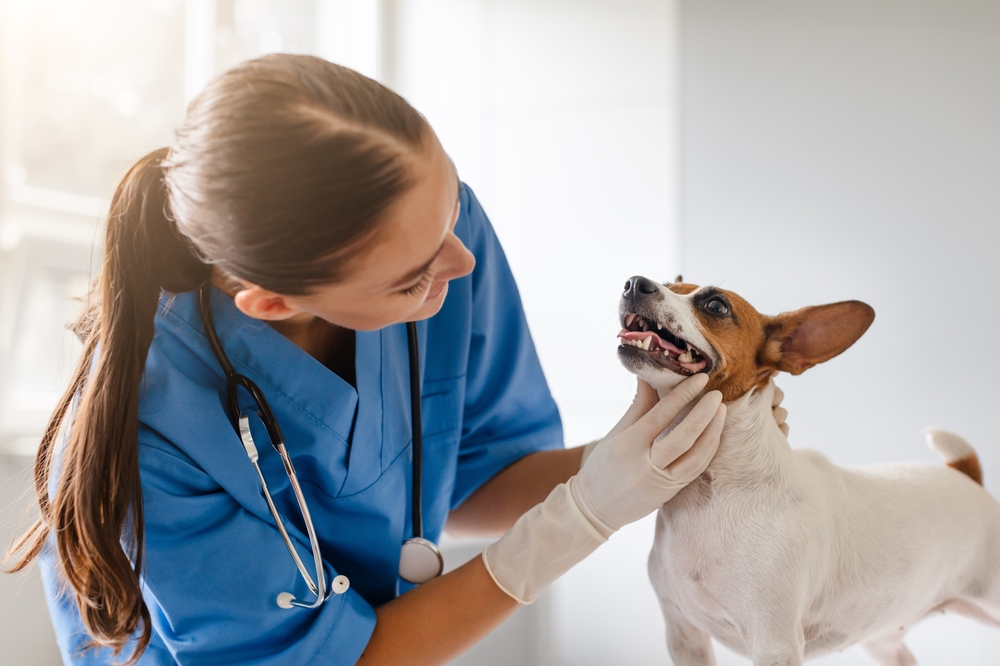
When most pet owners think about dental health, they picture bad breath or visible tartar on their pet’s teeth. But the most serious dental problems in dogs and cats often exist below the gumline, where they can’t be seen - and where they can quietly affect your pet’s overall health.
The Hidden Danger Beneath the Gumline
More than 70% of dogs and cats show signs of periodontal disease by the age of three. This condition begins when plaque builds up on the teeth and hardens into tartar. As bacteria accumulate, inflammation develops along the gumline, eventually spreading beneath it.
Below the gumline, bacteria can:
Destroy the tissues that support the teeth
Cause gum recession and tooth loss
Create painful infections and abscesses
Enter the bloodstream and impact vital organs
Because pets instinctively hide pain, dental disease can progress significantly before outward symptoms become obvious.
How Dental Disease Affects Your Pet’s Overall Health
Dental problems don’t stay confined to the mouth. When bacteria from infected gums enter the bloodstream, they can travel throughout the body, potentially affecting major organs such as the heart, liver, and kidneys.
Untreated dental disease has been linked to:
Heart infections (endocarditis)
Kidney and liver damage
Chronic inflammation
Decreased immune function
Maintaining your pet’s oral health is an essential part of protecting their long-term wellbeing - not just their smile.
Signs Your Pet May Have Dental Disease
Many pets continue eating even when their mouths are painful, which makes dental disease easy to overlook. Some common warning signs include:
Persistent bad breath
Red, swollen, or bleeding gums
Yellow or brown buildup on teeth
Dropping food or chewing on one side
Pawing at the mouth or face
Decreased appetite or behavior changes
If you notice any of these signs, a professional dental evaluation is strongly recommended.
Why Professional Veterinary Dental Care Is Essential
While brushing your pet’s teeth at home is helpful, it cannot address what’s happening below the gumline. Professional veterinary dental care allows your veterinarian to thoroughly assess and treat hidden dental issues.
Veterinary dental cleanings typically include:
Full oral examination
Dental X-rays to evaluate bone and tooth roots
Scaling and polishing above and below the gumline
Identification and treatment of infected or damaged teeth
Dental X-rays are especially important because many serious problems - such as root infections or bone loss - are invisible without them.
Schedule Your Pet’s Dental Exam Today
Dental health is about much more than fresh breath - it’s about protecting your pet from pain, infection, and systemic illness that can shorten their life. By staying proactive about your pet’s oral health, you’re investing in their comfort, longevity, and overall quality of life.
Contact Connecticut Veterinary Center to schedule a dental exam today. Visit our office in West Hartford, Kensington, or Windsor, Connecticut. Call (860) 233-8564, (860) 229-8960, or (860) 688-2026 to book an appointment today.


Our Locations

Contact Info
(860) 233-3206
- Monday: 8:00am - 8:30pm
- Tuesday: 8:00am - 6:00pm
- Wednesday: 8:00am - 6:00pm
- Thursday: 8:00am - 6:00pm
- Friday: 8:00am - 6:00pm
- Saturday: 8:00am - 6:00pm
- Sunday: 8:00am - 6:00pm
Follow Us
Contact Info
(860) 229-0826
- Monday: 7:00am - 6:00pm
- Tuesday: 7:00am - 2:00pm
- Wednesday: 7:00am - 6:00pm
- Thursday: 7:00am - 6:00pm
- Friday: Closed
- Saturday: Closed
- Sunday: Closed
Follow Us
Contact Info
(860) 688-8714
- Monday: 7:00am - 6:00pm
- Tuesday: 7:45am - 6:00pm
- Wednesday: 10:00am - 6:00pm
- Thursday: 7:00am - 6:00pm
- Friday: Closed
- Saturday: Closed
- Sunday: Closed
Follow Us
© 2026 Connecticut Veterinary Center . All Rights Reserved. Accessibility Statement - Privacy Policy - Sitemap
