


Blog list
Connecticut Veterinary Center Blog
Learn more about veterinary care in our blog!
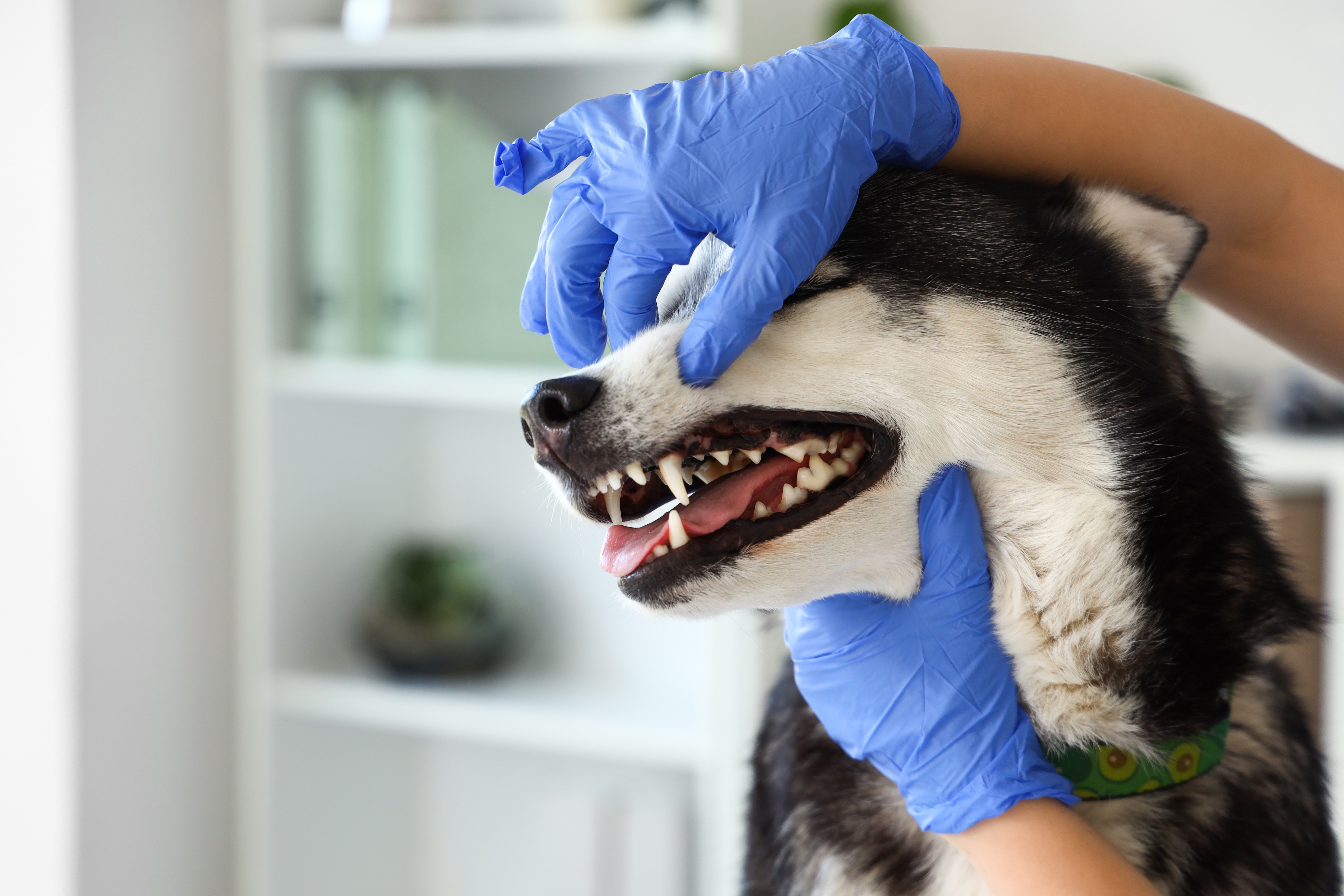
Dental problems in dogs and cats can progress quietly. What begins as plaque and tartar buildup may eventually lead to painful periodontal disease, loose teeth, infections, or other oral health concerns. At Connecticut Veterinary Center in West Hartford, we provide comprehensive veterinary dental care to help determine whether your pet needs a professional dental cleaning or more advanced treatment, such as tooth extraction or oral surgery.

July is a busy month for pets in the Hartford area. Longer walks, backyard time, hikes, lake visits, dog parks, and warm evenings outside can all increase exposure to fleas, ticks, mosquitoes, and other parasites. While summer fun is important, prevention is one of the best ways to protect your dog from discomfort and serious health risks.

When you are planning time away from home, choosing the right care for your pet matters. Some pets do well with a pet sitter visiting the house, while others feel more secure in a professional boarding environment. Understanding the difference between pet boarding and pet sitting can help you make a choice that fits your pet’s routine, health needs, and personality.
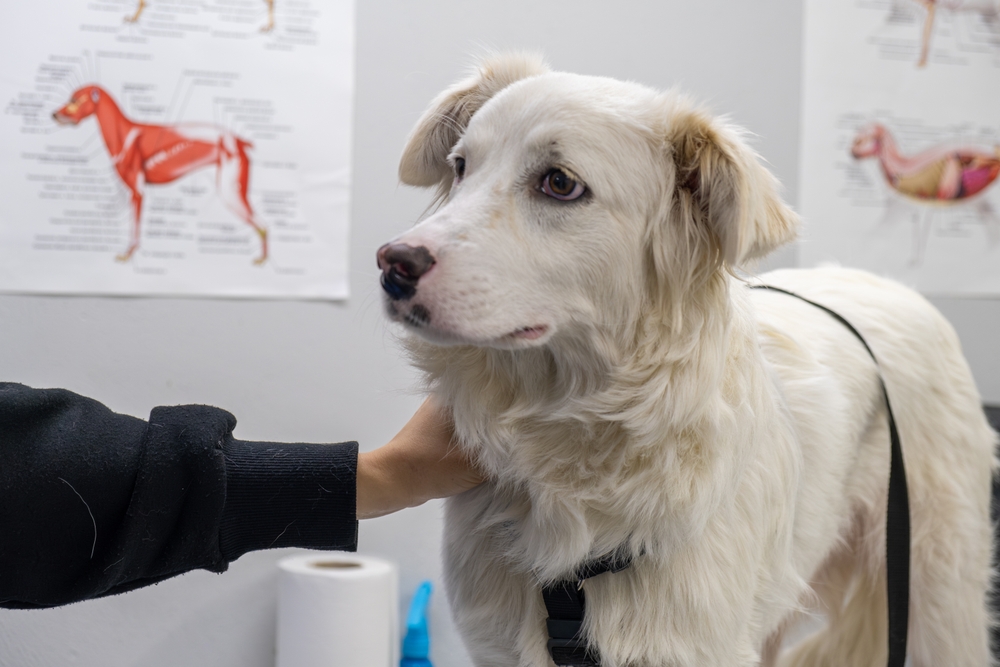
Emergencies can happen quickly, whether it is a storm, power outage, sudden illness, injury, or an unexpected evacuation. Having a pet emergency kit ready helps you respond faster and keep your pet safer when every minute matters. At Connecticut Veterinary Center, we encourage pet owners to prepare ahead so they are not searching for supplies during a stressful situation.

When a dog is vomiting and not eating, it can be a sign that something more serious is going on than a simple upset stomach. In some cases, symptoms may pass quickly. In others, they may point to an infection, dietary indiscretion, intestinal blockage, pancreatitis, or another medical issue. At Connecticut Veterinary Center, we encourage pet owners to pay close attention when vomiting and loss of appetite happen together.

When your pet’s care is handled in one place, it becomes easier to stay ahead of both routine needs and unexpected issues. Comprehensive care means your pet can receive wellness services, medical treatment, and boarding support through one trusted veterinary team. That continuity matters because we get to know your pet’s health history, behavior, and normal patterns over time.
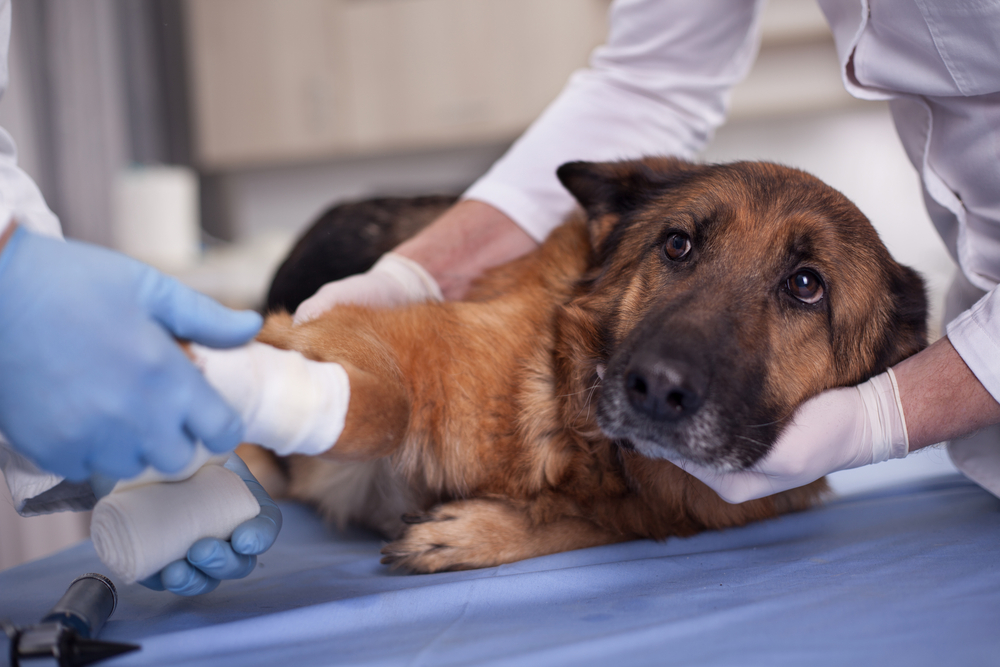
As a pet owner, it can be difficult to know when a health concern requires immediate medical attention and when it can wait for a scheduled appointment. A veterinary emergency involves any sudden illness, injury, or behavioral change that could threaten your pet’s life, cause severe pain, or result in permanent damage if not treated promptly. In urgent situations, time is critical. When in doubt, it is always safest to call your veterinarian for guidance.
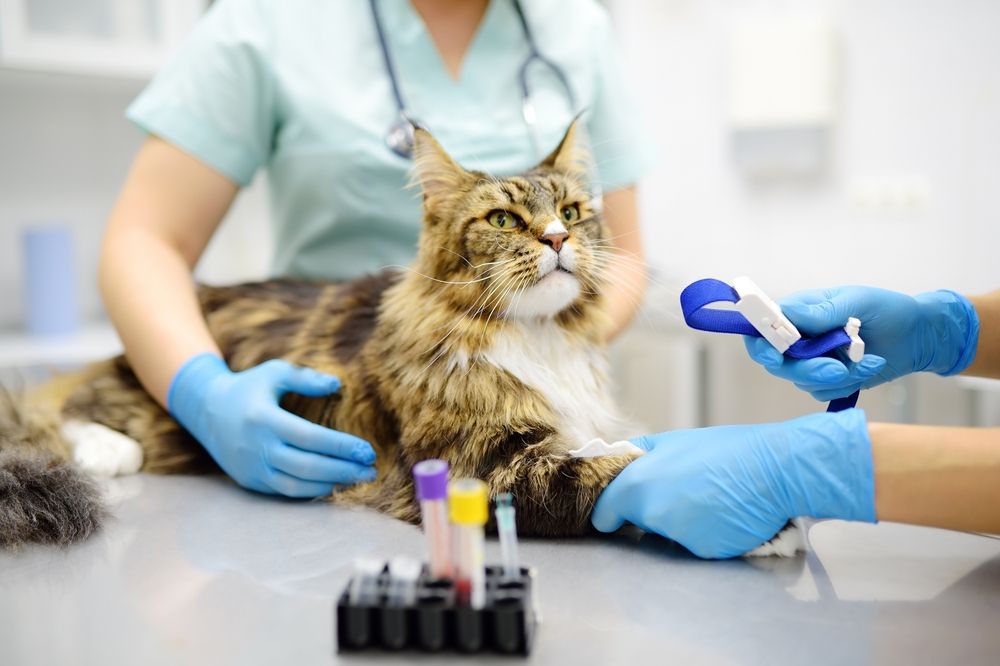
Preventive care is the foundation of a long, healthy life for pets. While regular wellness exams, vaccinations, and parasite prevention are essential, diagnostic testing plays a critical role in identifying health concerns before they become serious problems.
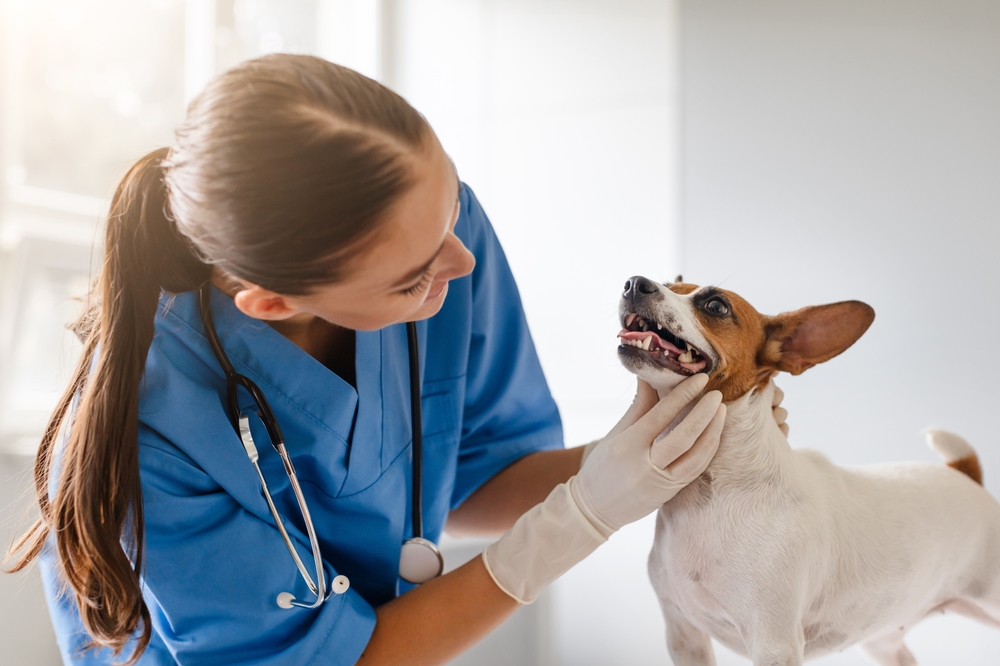
When most pet owners think about dental health, they picture bad breath or visible tartar on their pet’s teeth. But the most serious dental problems in dogs and cats often exist below the gumline, where they can’t be seen - and where they can quietly affect your pet’s overall health.

When it comes to your dog’s health, one of the simplest ways to monitor their well-being is by paying attention to their stool. While it might not be the most pleasant topic, changes in your dog’s poop color and consistency can provide valuable clues about what’s happening inside their body.


Our Locations

Contact Info
(860) 233-3206
- Monday: 8:00am - 8:30pm
- Tuesday: 8:00am - 6:00pm
- Wednesday: 8:00am - 6:00pm
- Thursday: 8:00am - 6:00pm
- Friday: 8:00am - 6:00pm
- Saturday: 8:00am - 6:00pm
- Sunday: Closed
Follow Us
Contact Info
(860) 229-0826
- Monday: 7:00am - 6:00pm
- Tuesday: 7:00am - 2:00pm
- Wednesday: 7:00am - 6:00pm
- Thursday: 7:00am - 6:00pm
- Friday: 7:00am - 6:00pm
- Saturday: Closed
- Sunday: Closed
Follow Us
Contact Info
(860) 688-8714
- Monday: 7:00am - 6:00pm
- Tuesday: 7:45am - 6:00pm
- Wednesday: 10:00am - 6:00pm
- Thursday: 7:00am - 6:00pm
- Friday: Closed
- Saturday: Closed
- Sunday: Closed
Follow Us
© 2026 Connecticut Veterinary Center . All Rights Reserved. Accessibility Statement - Privacy Policy - Sitemap
